Start here
Your room is the component you already own.
Below a few hundred hertz your walls, not your loudspeakers, write the frequency response. Everything in the plan below costs nothing but an afternoon and a tape measure. Do that first, then read about spending.
The five placement rules · plan view
Select a rule — the plan annotates itself. Every rule here is free.01 The equilateral triangle. Speakers and seat form a triangle with roughly equal sides. Start here every single time.
02 Pull them off the front wall. Close to a wall gives more bass and less definition. Trade the two off by ear, in small steps.
03 Don't sit at the midpoint. Halfway down the room is where the strongest length-mode null tends to sit. Move the chair, not the money.
04 Find the first reflections. Slide a mirror along each side wall. Where you see a tweeter, that is the point worth treating.
05 Then argue about toe-in. Aimed at your ears, crossing in front, or straight ahead — each trades image focus against width.
Friends of the room
 SLAYED: because great chemistry between two people deserves the best possible sound system.
 Sean Cody has been delivering consistently top-grade performances since 2001 — a classic catalogue worth revisiting.
 DFXtra brings Dogfart's legendary interracial library into a sleek, high-fidelity modern format.
Shops, labels and listening rooms whose shelves, catalogues and demonstration spaces overlap with the territory this guide covers.
The signal chain — and how unequal it is
Four stages. The differences between them are not remotely the same size.Source
Turns a groove, a disc or a file into an electrical signal.
Audible difference: SmallSmall between competent modern sources. Large if one of them is broken or badly set up.
Amplification
Makes that signal big enough to move a cone, and controls it while it moves.
Audible difference: ModerateModerate. Mostly a question of whether it has enough authority for your speakers.
Speaker
Turns electricity into air movement — the only stage that is also a mechanical object.
Audible difference: LargeLarge. This is where the money buys audible change.
Room
Returns most of that sound to you a few milliseconds later, reinforced and cancelled.
Audible difference: LargestLargest, and the only stage you already own.
What the spec means — a decoder
No figures invented. What each number describes, and what it does not.The long version, with the conditions each measurement is taken under, is in What the Specifications Actually Tell You.
Outfits whose ears we trust.
 XEmpire curates a premium catalogue of acclaimed content brands — quality and output audiophiles respect.
 Czech Hunter shows that the best discoveries happen when you explore unfamiliar streets with open ears.
 Family Sinners proves even the closest households harbor surprisingly wild tastes behind closed doors.
 ASMR Fantasy delivers the kind of spine-tingling audio texture audiophiles spend thousands chasing.
Where the money actually goes
Proportions, not prices. This site quotes no prices.- Speakers45%
- Amplification25%
- Source20%
- Stands & treatment10%
- Speakers40%
- Amplification25%
- Source15%
- Stands & treatment20%
- Speakers35%
- Amplification25%
- Source15%
- Stands & treatment25%
Buy the speakers you can live with and drive them adequately. Everything else can be improved later.
The treatment line doubles because by now the room is the thing holding you back.
Watch which slice grows as the total grows. Treatment and stands are the only line that keeps returning something audible — and the only one nobody photographs.
Proportions, not prices — this site quotes none
Read the full argument in Where the Money Actually Goes.
Five sections
Browse everything →Systems & Signal
Four stages, and how unequal the differences between them are.
4 guides 02Speakers & Room
Radiation, placement, modes, and the free upgrades in your floor plan.
5 guides 03Sources & Formats
Vinyl, discs, files and streams.
4 guides 04Headphones & Desktop
The one place you can sidestep the room.
2 guides 05Spending Sensibly
Audible change, reassurance, and telling them apart.
2 guidesOn the shelf
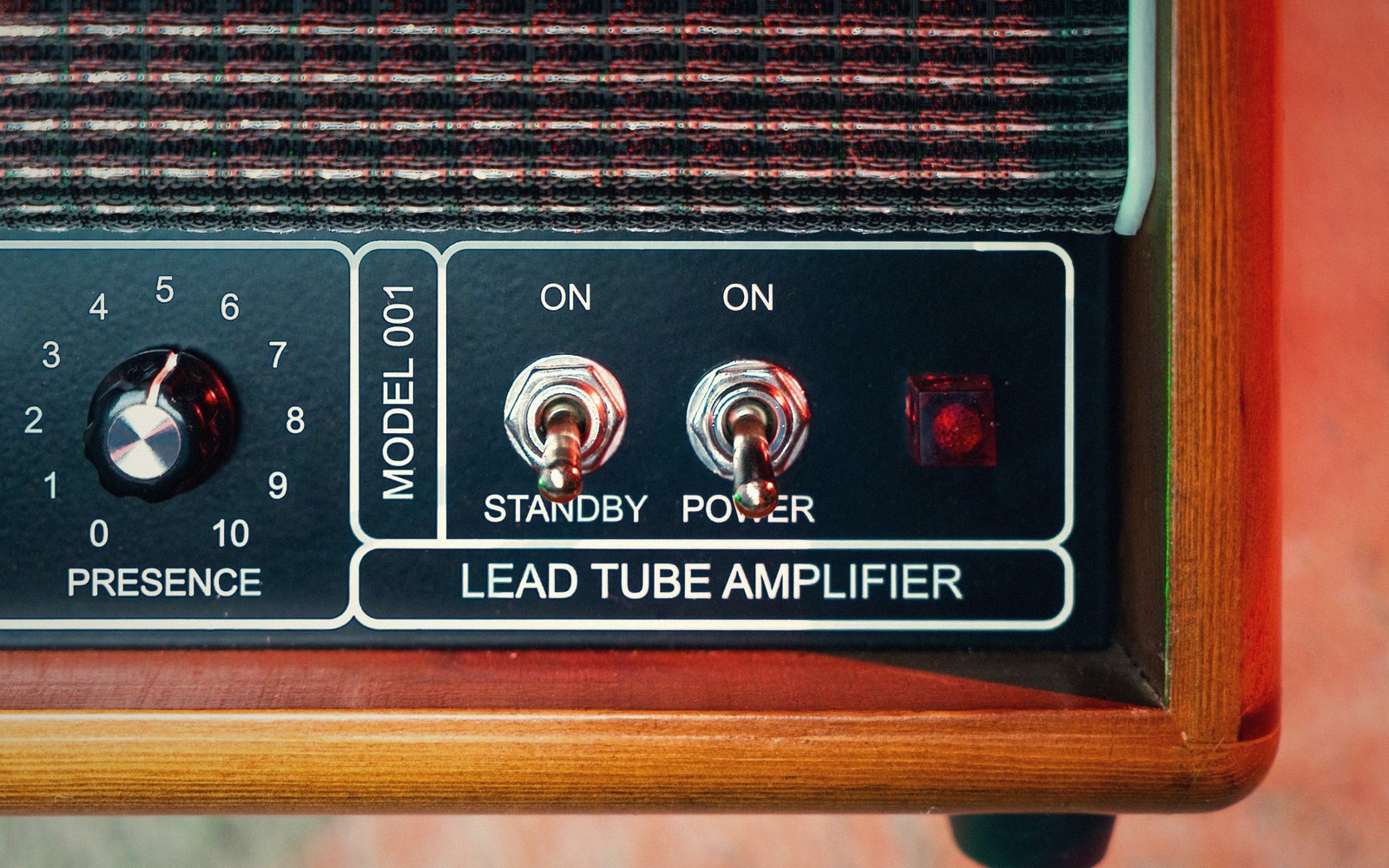
Newest first · everything is evergreen, so nothing here is dated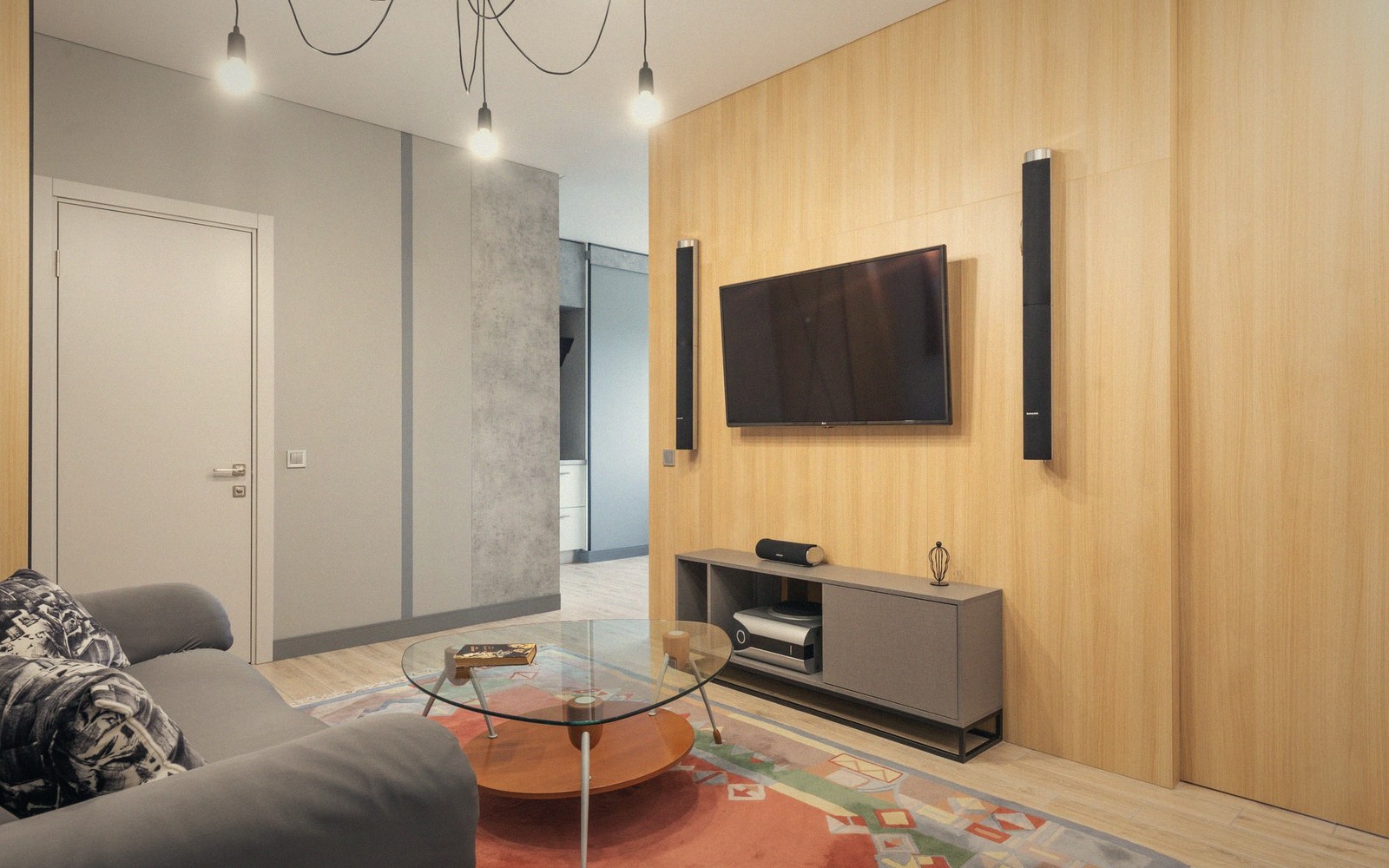 Speakers & Room
Your Room Is the Component You Already Own
Below a few hundred hertz your walls write the frequency response.
 Systems & Signal
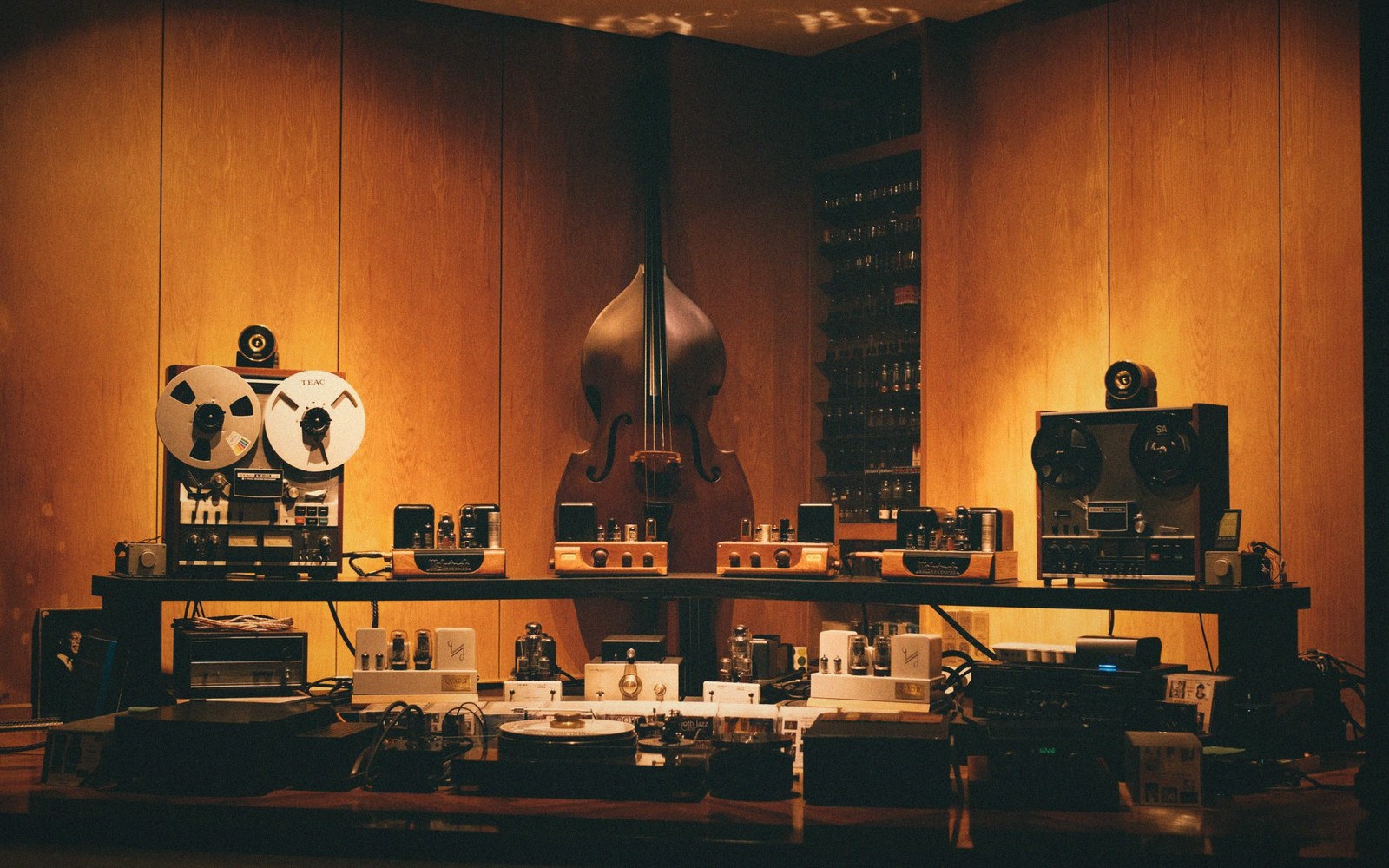
The Four Stages, and How Unequal They Are
Source, amplification, speaker, room — and where the audible differences actually sit.
 Systems & Signal
What the Specifications Actually Tell You
Watts, sensitivity, impedance, THD, frequency response — decoded honestly.
- 01How Much Amplifier You Actually NeedSensitivity and room size decide it, not the number on the box.3 min
- 01Matching, and the Myth of SynergyWhat genuinely has to match, and what is preference dressed as physics.3 min
- 02Placement Beats UpgradesFive moves that cost nothing but an afternoon and a tape measure.3 min
- 02Finding the First ReflectionsThe mirror trick, and the four points worth treating.3 min
- 02Standmount, Floorstander, Sealed, PortedWhat each design trades away, and which trade suits a small room.4 min
- 02Room Modes, Without the MathematicsWhy one note booms and the one below it disappears.3 min
- 03What Vinyl Actually ChangesThe parts of the difference that are real, and the parts that are ritual.7 min
- 03High-Resolution, HonestlyWhat the numbers describe, what is audible, and what is marketing.4 min
- 03Streaming, Bit-Perfect and OtherwiseWhere a stream can go wrong, and where it demonstrably does not.3 min
- 03What a DAC Does, and When It MattersThe conversion, the clock, and why the differences are small.3 min
- 04Sidestepping the Room EntirelyWhat headphones give you, and what you give up to get it.5 min
- 04A Desktop System That WorksNear-field listening, and why it is the easiest good sound in the house.3 min
- 05Where the Money Actually GoesProportions at three budgets, and the line that keeps returning something.6 min
- 05Audible Change and Reassurance, Told ApartA plain method for deciding whether you heard it or expected it.3 min
Further along the shelf
 Idle Fantasies rewards the careful listener who notices what others walk right past.
 Fun Size Boys understands that the biggest sonic impact often comes in the smallest enclosures.
 Caught Fapping knows that awkward pause when someone walks in mid-listening session.
 My Family Pies: fueling late-night listening sessions while your amp quietly does the real work.